

Hey there, folks! As a supplier of electroplating machines, I've seen firsthand the ins and outs of both manual and automatic electroplating machines. Today, I'm gonna break down the differences between these two types of machines to help you figure out which one might be the best fit for your needs.
1. Operation Process
Manual Electroplating Machines
Manual electroplating machines are like the old - school way of getting the job done. With these machines, a human operator is in charge of almost every step of the electroplating process. You've gotta manually load the parts to be plated into the plating tank. Then, you need to carefully control things like the current, voltage, and plating time. It's a hands - on approach. For example, if you're plating a small batch of custom - made jewelry, you can adjust the process to suit the unique shape and size of each piece. You can visually inspect the parts during plating and make immediate adjustments as needed.
Automatic Electroplating Machines
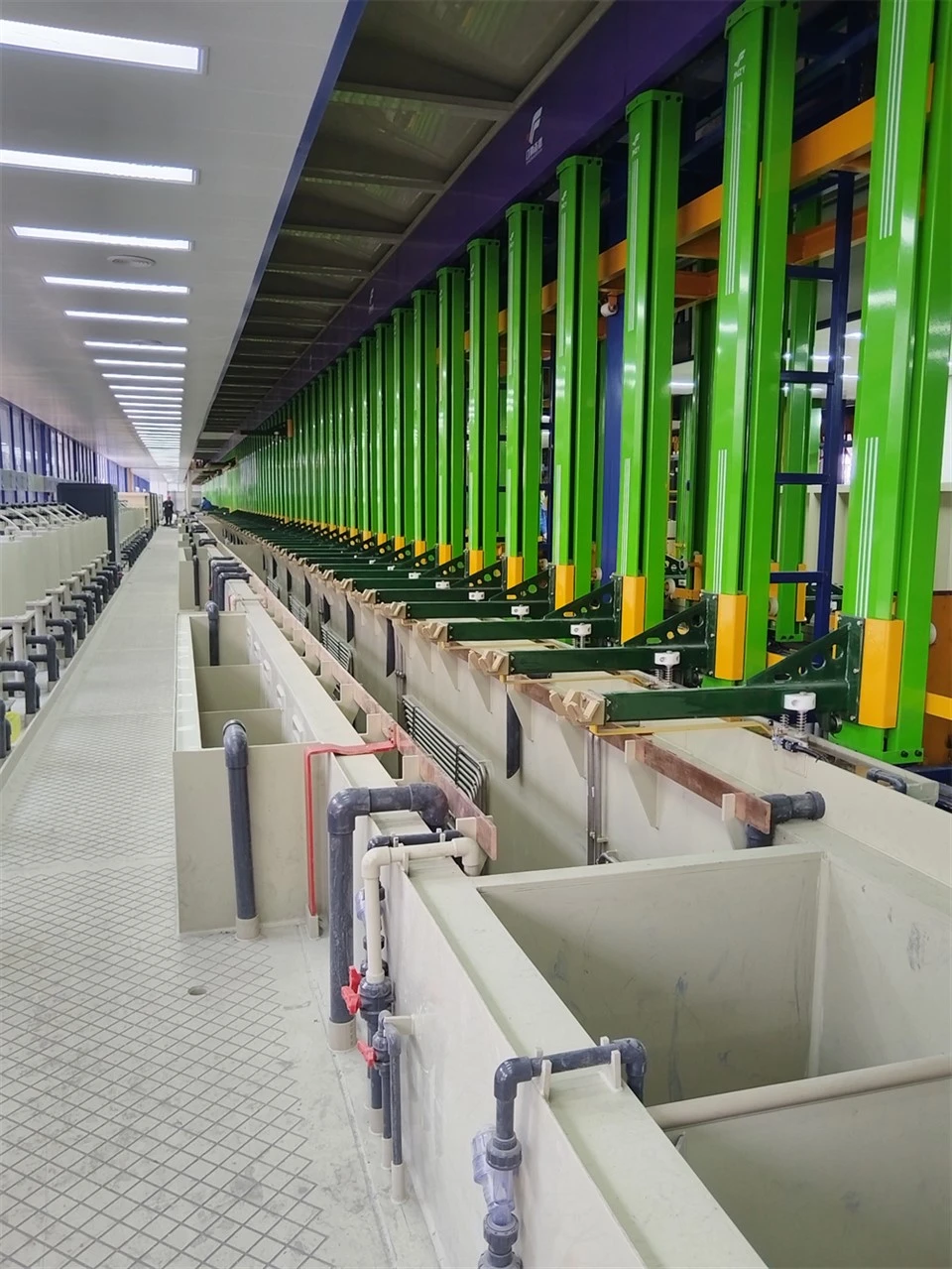
On the other hand, automatic electroplating machines are all about automation. Once you've set up the parameters, like the plating time, current density, and the plating solution composition, the machine takes care of the rest. It can automatically load and unload parts, control the flow of the plating solution, and adjust the electrical parameters. This is great for large - scale production. Let's say you're running a factory that produces thousands of nuts and bolts every day. An automatic machine can handle the high - volume workload efficiently without much human intervention.
2. Precision and Consistency
Manual Electroplating Machines
When it comes to precision, manual machines can be a bit hit - or - miss. It really depends on the skill and experience of the operator. A highly skilled worker can achieve excellent results, but there's always a chance of human error. For instance, if the operator is a little off on the current setting or the plating time, it can affect the quality of the plating. Also, consistency can be an issue. Plating multiple parts one after another might result in slight variations in the thickness and appearance of the plating.

Automatic Electroplating Machines
Automatic machines are known for their high level of precision and consistency. They follow the pre - set parameters exactly every time, so you can expect a very consistent finish on all the parts. This is crucial in industries where quality control is strict, like the automotive or aerospace industries. The plating thickness can be controlled within very narrow tolerances, ensuring that all the parts meet the required specifications.
3. Production Speed
Manual Electroplating Machines
Manual machines are usually slower in terms of production speed. Since the operator has to perform each step manually, it takes time. For example, loading and unloading each part, adjusting the electrical parameters for different parts, these steps add up. So, if you have a large production order, using a manual machine might not be the most efficient option, and it could lead to longer turnaround times.
Automatic Electroplating Machines
Automatic electroplating machines are designed for high - speed production. They can handle a large number of parts in a relatively short period. The automated loading and unloading systems, along with the continuous control of the plating process, allow for a much faster production rate. This is a huge advantage for businesses that need to meet tight deadlines and have a high demand for plated products.
4. Cost
Manual Electroplating Machines
Manual electroplating machines are generally more affordable upfront. They don't have all the complex automation systems, so the initial investment is lower. However, you need to consider the long - term costs. You'll have to pay for the labor of the operators, and with the potential for human error, there could be additional costs for re - plating faulty parts.
Automatic Electroplating Machines
Automatic electroplating machines are more expensive to purchase initially. The cost of the automated systems, the control software, and the advanced technology all contribute to the higher price tag. But in the long run, they can save you money. You'll need less labor, and the reduced error rate means fewer re - plating costs. Also, the higher production speed can lead to more revenue in the same amount of time.
5. Flexibility
Manual Electroplating Machines
Manual machines are very flexible. You can easily change the plating process for different types of parts. If you're working on a variety of custom projects, a manual machine allows you to adapt quickly. For example, if you need to plate a part with a unique shape that requires a special plating technique, you can make the necessary adjustments on the fly.
Automatic Electroplating Machines
While automatic machines are great for high - volume, standardized production, they are less flexible. Changing the plating process for different parts can be time - consuming and may require reprogramming the machine. So, if you have a lot of small - batch, custom jobs, an automatic machine might not be the best choice.
Our Product Offerings
At our company, we offer a wide range of electroplating machines to meet different needs. If you're interested in specific types of equipment, check out our Imitation Gold Plating Equipment, Alkaline Zinc Barrel Plating Equipment, Alkaline Zinc - Nickel Plating Equipment, Industrial Pure Water Equipment, and Barrel Plating Equipment.
Time to Make a Decision
So, which one is better, manual or automatic electroplating machines? Well, it really depends on your specific requirements. If you're a small - scale business doing custom work, a manual machine might be the way to go. But if you're dealing with large - volume production and need consistent quality, an automatic machine is probably your best bet.
If you're looking to buy an electroplating machine, feel free to reach out to us. We're here to help you choose the right machine for your business and can offer expert advice on the electroplating process. Contact us today to start the procurement discussion, and let's work together to take your electroplating operations to the next level!
References
- "Electroplating Engineering Handbook" by Oscar C. Revie
- Various industry - specific research papers on electroplating technology.


