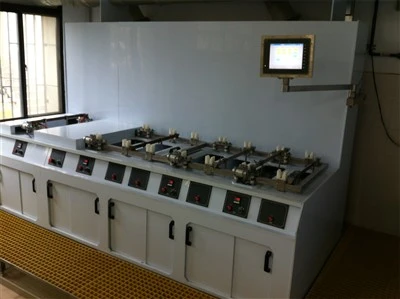
Hey there, folks! I'm a supplier of Electropolishing Equipment, and today I wanna chat about something really interesting – the color change of metals after they're processed by our electropolishing equipment.
First things first, let's understand what electropolishing is. It's a process that uses an electrochemical reaction to remove a thin layer of material from the surface of a metal object. This not only gives the metal a smooth and shiny finish but also has an impact on its color.
How Metals Change Color During Electropolishing
Different metals react differently to the electropolishing process, and these reactions are what cause the color changes. Let's take a look at some common metals and how their colors transform.
Stainless Steel
Stainless steel is one of the most commonly electropolished metals. Before electropolishing, stainless steel usually has a dull grayish appearance, sometimes with a bit of a rough texture. When we put it through our Electropolishing Equipment, the surface impurities are removed, and the metal starts to take on a bright, mirror - like finish.
The color change is quite significant. It goes from a dull and sometimes slightly yellowish or brownish gray to a pure, bright silver. This is because the electropolishing removes the oxide layer on the surface, revealing the clean and shiny metal beneath. The smooth surface also reflects light better, enhancing the bright silver look.
Copper
Copper is another interesting metal. In its natural state, copper has a reddish - brown color. When we use electropolishing on copper, the surface becomes smoother and more reflective. The initial copper color may become more vibrant at first as the surface irregularities are removed, making the color more uniform.
However, as the electropolishing process continues, the copper may start to take on a slightly pinkish or golden hue. This is due to the controlled removal of the surface layer and the way the remaining copper atoms interact with light. The change in color can also be affected by the composition of the electrolyte used in the electropolishing process. If you're interested in copper - related equipment, you might also check out our Electroless Copper Plating Equipment.
Aluminum
Aluminum is a lightweight metal that often has a dull, matte finish. After electropolishing, it becomes much shinier. The color of aluminum typically changes from a dull gray to a bright, silvery color. The electropolishing process removes the surface oxidation and any contaminants, leaving behind a smooth and reflective surface.
In some cases, if the aluminum has impurities or alloying elements, the color might have a slight tint. For example, aluminum - magnesium alloys can have a slightly bluish - gray tint after electropolishing. And if you're working with aluminum - magnesium materials, our Al - Mg Passivation Equipment could be a great addition to your process.
Factors Affecting Color Change
There are several factors that can influence the color change of metals during electropolishing.
Electrolyte Composition
The electrolyte is a crucial part of the electropolishing process. Different electrolytes have different chemical compositions, which can react with the metal in various ways. For example, an electrolyte with a high concentration of certain acids might cause a more aggressive removal of the metal surface, resulting in a different color change compared to a milder electrolyte.
Current Density
The current density applied during electropolishing also plays a role. A higher current density can lead to a faster removal of the metal surface, which might cause a more rapid color change. However, if the current density is too high, it can also cause uneven coloration or even damage to the metal surface.
Processing Time
The longer the metal is exposed to the electropolishing process, the more material is removed from the surface. This can lead to a more pronounced color change. But again, there's a balance, as over - processing can cause issues like pitting or a non - uniform finish.
Why Color Change Matters
The color change of metals after electropolishing isn't just for aesthetics. In many industries, the color can indicate the quality and properties of the metal.
In the medical industry, for example, stainless steel instruments that are electropolished to a bright, uniform silver color are not only more visually appealing but also more hygienic. The smooth, shiny surface is easier to clean and sterilize, reducing the risk of bacterial growth.


In the jewelry industry, the color change of metals like copper and gold - plated metals can enhance the overall look of the pieces, making them more attractive to consumers.
Other Related Equipment and Processes
While electropolishing is a great process, there are other surface treatment processes that you might also be interested in. For example, Stannatech Equipment can be used for specific tin - related surface treatments. And if you're looking for a process to add a layer of nickel and gold on a metal surface, our Electroless Nickel - Gold Plating Equipment can do the job.
Wrapping Up and Invitation to Connect
So, there you have it – a look at the color change of metals after processing by electropolishing equipment. It's amazing how a simple electrochemical process can transform the appearance of metals in so many ways.
If you're in the market for high - quality electropolishing equipment or any of our other surface treatment solutions, I'd love to have a chat with you. Whether you're a small workshop or a large industrial manufacturer, we have the right equipment to meet your needs. Reach out to us to discuss your requirements and let's see how we can help you achieve the best results for your metal processing.
References
- "Electrochemical Surface Finishing of Metals" by Smith, J.
- "Handbook of Metal Surface Treatment" by Johnson, M.