

As a supplier of imitation gold plating equipment, I understand the critical importance of safely transporting these precision machines to customers. This process involves several key steps and considerations to ensure that the equipment arrives in perfect working condition. In this blog, I will share insights and practical tips on how to transport imitation gold plating equipment safely.
Understanding the Equipment
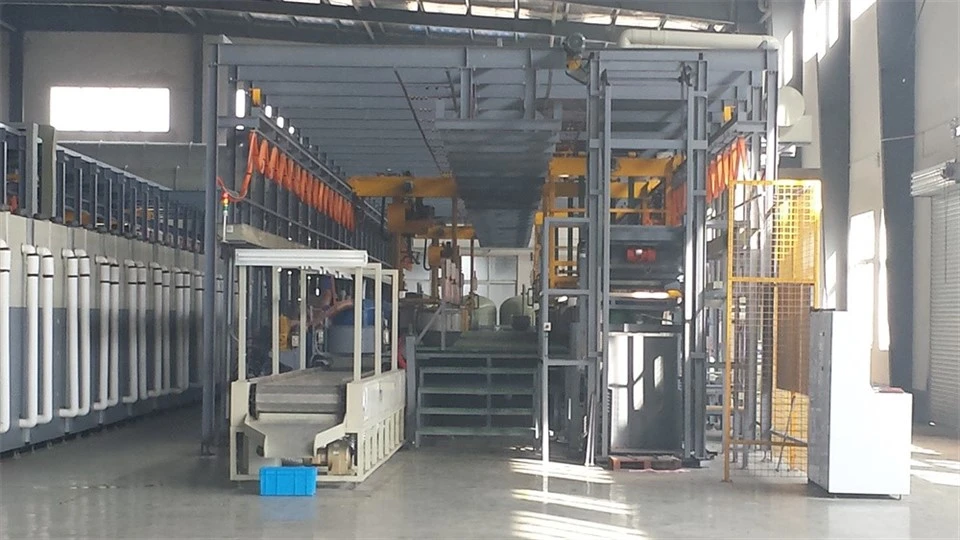
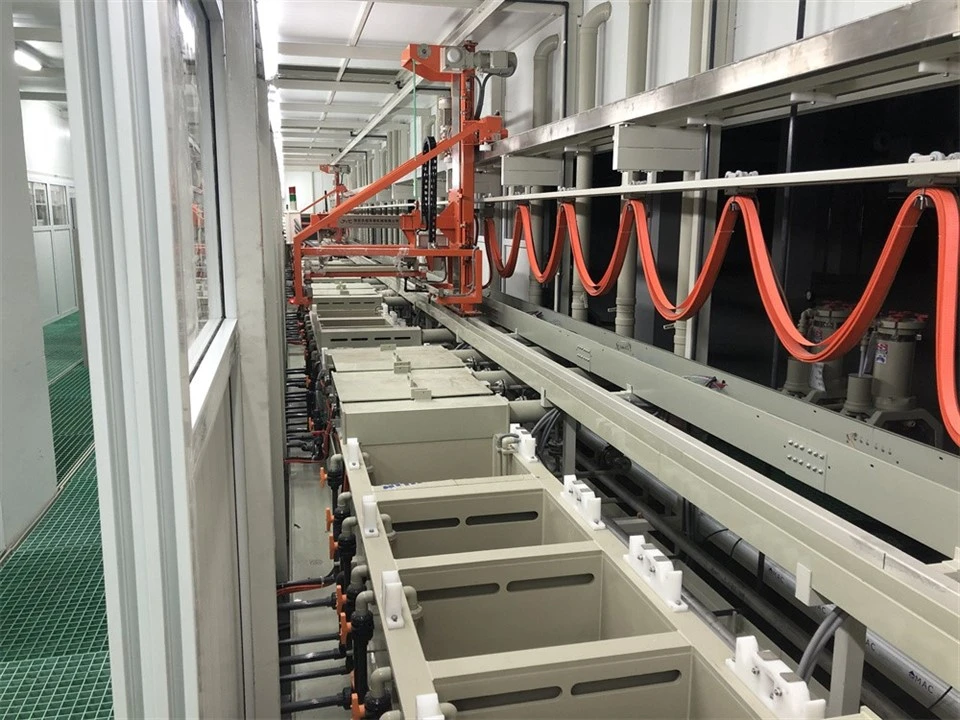
Imitation gold plating equipment comes in various types and sizes, each with its unique features and requirements. Some common types of plating equipment include Barrel Plating Equipment, Acid Zinc-Nickel Barrel Plating Equipment, Chamber Silver Plating Equipment, Industrial Pure Water Equipment, and Airpods Cu-Pd-Au & Rh/Ru Plating Equipment.
These machines are often complex and delicate, containing sensitive electronic components, precision mechanical parts, and chemical - resistant materials. Any damage during transportation can lead to malfunctions, inaccurate plating results, and costly repairs or replacements. Therefore, a thorough understanding of the equipment's structure and vulnerabilities is the first step in ensuring safe transportation.
Preparation Before Transport
1. Inspection and Testing
Before packaging the imitation gold plating equipment for transport, a comprehensive inspection and testing process should be carried out. Check all mechanical parts for loose connections, tightness, and proper alignment. Test the electrical systems to ensure that all components are functioning correctly. This step helps to identify any pre - existing issues that could be exacerbated during transportation and also provides a baseline for assessing the equipment's condition upon arrival at the destination.
2. Cleaning and Drying
Clean the equipment thoroughly to remove any dirt, debris, or residual chemicals. Drying is crucial to prevent corrosion and rust during transit. Pay special attention to areas where moisture may accumulate, such as tanks, pipes, and electrical enclosures. Use appropriate cleaning agents and drying methods recommended by the equipment manufacturer.
3. Disassembly (if necessary)
In some cases, it may be necessary to disassemble large or bulky imitation gold plating equipment into smaller, more manageable parts. This can reduce the risk of damage during handling and transportation. However, disassembly should be done carefully, following the manufacturer's instructions. Keep track of all small parts, fasteners, and wiring connections, and label them clearly to facilitate reassembly at the destination.
4. Packaging Materials
Select high - quality packaging materials that can provide adequate protection for the equipment. For delicate electronic components, use anti - static packaging materials to prevent electrostatic discharge. Foam, bubble wrap, and corrugated cardboard can be used to cushion the equipment and absorb shock during transportation. Wooden crates or pallets are often used for larger equipment to provide structural support and prevent damage from rough handling.
Packaging Process
1. Component - by - Component Packaging
Start by individually packaging each component of the equipment. Wrap small parts in bubble wrap or anti - static bags and secure them with tape. Place fragile components in custom - fit foam inserts to prevent movement. For larger parts, such as tanks and frames, use thick cardboard or wooden panels for additional protection.
2. Securing the Equipment in the Package
Once all components are individually packaged, place them in the shipping container. Use strapping, foam blocks, or other securing materials to prevent the equipment from shifting during transportation. Make sure that the equipment is firmly fixed in place and cannot move freely inside the container.
3. Sealing and Labeling
Seal the shipping container with strong tape and label it clearly with the following information:
- Equipment name and model
- Fragile items
- Handling instructions (e.g., "This side up", "Do not stack")
- Destination address and contact information
Choosing the Right Transport Method
1. Road Transport
Road transport is a common option for transporting imitation gold plating equipment within a relatively short distance. When choosing a road carrier, look for a company with a good reputation for handling fragile and heavy loads. Ensure that the truck is equipped with shock - absorbing suspension and appropriate restraints to keep the equipment stable during transit.
2. Rail Transport
For longer - distance transportation within a country, rail transport can be a cost - effective and reliable option. However, railcars may be subject to more significant vibrations and jolts compared to trucks. Therefore, it is essential to double - check the packaging and securing of the equipment to withstand these conditions.
3. Air Transport
Air transport is the fastest option for international or long - distance transportation. It is suitable for time - sensitive shipments. However, it is more expensive and has certain restrictions on the size and weight of the cargo. When using air transport, ensure that the equipment is properly packaged to meet the airline's safety requirements.
4. Sea Transport
If the destination is overseas, sea transport is a common choice. Sea freight containers provide a relatively stable environment for the equipment. However, the journey can be long, and the equipment may be exposed to various weather conditions and rough seas. Proper packaging and securing are crucial to prevent damage from moisture, saltwater corrosion, and physical impacts.
Monitoring During Transport
1. Tracking Systems
Use tracking systems provided by the transport company to monitor the location and movement of the equipment. This allows you to keep an eye on the shipment's progress and estimate its arrival time.
2. Shock and Vibration Sensors
Consider installing shock and vibration sensors on the equipment or its packaging. These sensors can record any excessive shocks or vibrations during transportation, which can help identify potential damage and take appropriate measures upon arrival.
Unpacking and Reassembly at the Destination
1. Inspection upon Arrival
Upon arrival at the destination, carefully inspect the shipping container for any signs of damage. If the container appears to have been tampered with or shows visible signs of impact, document the damage with photos and notify the transport company immediately.
2. Unpacking
Unpack the equipment slowly and carefully, following the reverse order of the packaging process. Check each component for damage as you remove it from the packaging. If any damage is found, do not attempt to use the equipment until it has been properly repaired.
3. Reassembly
Reassemble the equipment according to the manufacturer's instructions. Make sure that all parts are correctly installed and connected. Test the equipment again to ensure that it is functioning properly after transportation.
Conclusion
Transporting imitation gold plating equipment safely requires careful planning, proper packaging, choosing the right transport method, and diligent monitoring during transit. By following these steps, you can minimize the risk of damage and ensure that your customers receive their equipment in good working condition.
If you are interested in purchasing our imitation gold plating equipment or have any questions about transportation or other aspects of our products, we welcome you to contact us for further discussion and negotiation. We are committed to providing high - quality equipment and excellent service to meet your plating needs.
References
- General guidelines on industrial equipment transportation from industry - recognized sources.
- Manufacturer's manuals for imitation gold plating equipment.


